ELECTROAIR EIS-41000IC Ignition 4-CYLINDER
fits model: Lycoming.
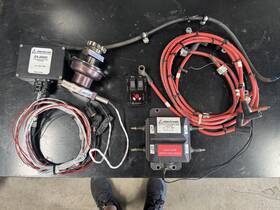
( Brand: Electroair ), ( Manufacturer Part Number: EIS-41000IC ), ( Part Type: Ignition ), ( Country Of Origin: United States )
Review ELECTROAIR Electronic Ignition 4-cylinder fits LYCOMING
The **ElectroAir EIS-41000IC Ignition System** is a cutting-edge, high-performance ignition solution meticulously engineered to deliver unparalleled reliability, efficiency, and power for Lycoming-branded 4-cylinder aircraft engines. Designed with precision aerospace-grade components, this advanced ignition system replaces traditional magneto-based setups with a modern, electronically controlled ignition (ECI) architecture, ensuring superior spark consistency, reduced maintenance demands, and enhanced engine performance across a wide operational envelope. At its core, the EIS-41000IC features a dual-channel ignition system with independently controlled spark plugs, eliminating the risk of misfires caused by mechanical wear or voltage fluctuations common in conventional magneto systems. Each channel is powered by a high-energy capacitor discharge (CDI) unit, which generates a powerful, high-voltage spark up to 40,000 volts with millisecond precision, ensuring optimal combustion even under demanding conditions such as high-altitude operations, cold starts, or rapid throttle changes.
The system s intelligent control module (IC) incorporates adaptive algorithms that dynamically adjust ignition timing and energy delivery based on real-time engine parameters, including RPM, manifold pressure, and cylinder head temperature. This adaptive ignition control not only maximizes fuel efficiency and power output but also significantly reduces engine wear by promoting cleaner combustion and minimizing carbon buildup on spark plugs. The EIS-41000IC is fully compatible with Lycoming s 4-cylinder engines, including popular models like the O-320, O-360, and IO-360 series, and integrates seamlessly with existing aircraft avionics through its robust digital interface, allowing for easy integration with modern engine monitoring systems. Constructed from corrosion-resistant materials and housed in a rugged, aircraft-grade enclosure, this ignition system is built to withstand the harshest environmental conditions, from extreme temperatures to high humidity, ensuring long-term reliability without the need for frequent servicing.
One of the standout features of the EIS-41000IC is its fail-safe design, which includes redundant spark channels and self-diagnostic capabilities. In the event of a single-channel failure, the system automatically compensates by relying on the secondary channel, preventing catastrophic engine failure and allowing for a safe return to base. The built-in diagnostic port provides pilots and maintenance technicians with real-time feedback on system health, including fault codes and performance metrics, streamlining troubleshooting and predictive maintenance. Additionally, the system s lightweight construction and compact design reduce overall engine weight without compromising strength, contributing to improved fuel economy and payload capacity. Whether used in general aviation aircraft, flight training rigs, or specialized applications like agricultural or utility planes, the ElectroAir EIS-41000IC sets a new standard for ignition technology, combining innovation with the durability required for critical aeronautical applications. With its advanced features, ease of installation, and proven reliability, this ignition system is an ideal upgrade for operators seeking to enhance engine performance, reduce downtime, and extend the operational life of their Lycoming-powered aircraft.
**Pros and Cons of buying a ElectroAir EIS-41000IC Ignition System for a Lycoming 4-Cylinder Engine**
The ElectroAir EIS-41000IC is an electronic ignition system designed to replace traditional magneto-based ignition in Lycoming 4-cylinder aircraft engines. Below is a detailed breakdown of its advantages and disadvantages.
---
### **Pros**
1. **Improved Reliability and Durability**
The EIS-41000IC eliminates the mechanical wear associated with traditional magneto systems, which rely on rotating components, brushes, and distributors. Electronic ignition systems reduce the risk of failure due to mechanical fatigue, vibration, or contamination. This can lead to longer intervals between overhauls and fewer in-flight failures.
2. **Enhanced Ignition Performance**
The system provides a more consistent and powerful spark due to advanced electronic timing and coil design. This can result in better combustion efficiency, smoother engine operation, and improved throttle response, particularly during low-speed or high-altitude flight.
3. **Reduced Maintenance Requirements**
Traditional magneto systems require periodic inspection, brush replacement, and distributor adjustments. The EIS-41000IC simplifies maintenance by eliminating these components. The system is designed to be more robust against environmental factors like moisture, dust, and vibration, reducing the need for frequent servicing.
4. **Compatibility with Modern Avionics**
The electronic nature of the system allows for integration with aircraft management systems or diagnostic tools. Some electronic ignition systems can provide real-time data on ignition performance, which can be useful for troubleshooting or monitoring engine health.
5. **Lightweight Design**
Electronic ignition systems are generally lighter than their magneto counterparts, which can contribute to a slight reduction in overall engine weight. This may have minor benefits for fuel efficiency or payload capacity, though the difference is often negligible in most general aviation aircraft.
6. **Reduced Risk of Carbon Buildup**
Traditional magneto systems can sometimes produce inconsistent sparks, leading to incomplete combustion and carbon deposits in the cylinders. The EIS-41000IC s precise timing and stronger spark can help minimize this issue, promoting cleaner combustion and reducing the need for frequent cylinder inspections.
7. **Longer Service Life**
The system is designed to last for the life of the engine, provided it is properly installed and maintained. This contrasts with magneto systems, which may require replacement every 1,000 2,000 hours or due to mechanical wear.
8. **Compatibility with Fuel Injection Systems**
If your Lycoming engine is equipped with a fuel injection system (such as the Lycoming TEI or similar), the EIS-41000IC can work seamlessly with it. Electronic ignition provides the timing and consistency required for optimal fuel injection performance.
9. **Reduced Risk of False Starts or Misfires**
The system s advanced timing algorithms can help prevent misfires caused by mechanical issues in traditional magneto systems, such as weak sparks or timing inconsistencies. This can improve engine reliability during critical phases of flight, such as takeoff or landing.
10. **Future-Proofing**
As aviation technology evolves, electronic ignition systems are increasingly becoming the standard in modern aircraft engines. Upgrading to the EIS-41000IC may make future modifications or upgrades easier, as many new systems are designed to work with electronic ignition.
---
### **Cons**
1. **High Initial Cost**
The EIS-41000IC is significantly more expensive than a traditional magneto system. The upfront cost can range from several thousand dollars to over $10,000, depending on installation complexity, labor, and any additional components required (such as new spark plugs or wiring). This makes it a substantial investment for owners of older or lower-value aircraft.
2. **Installation Complexity**
Replacing a magneto system with an electronic ignition system is not a simple swap-and-go process. It requires careful planning, wiring modifications, and sometimes structural changes to the engine or firewall. The installation must be performed by a qualified aviation mechanic or engineer to ensure proper grounding, shielding, and integration with the aircraft s electrical system. Improper installation can lead to electrical interference, ground loops, or system failures.
3. **Potential for Electrical Interference**
Electronic ignition systems are susceptible to electromagnetic interference (EMI) from other electrical components in the aircraft, such as radios, autopilots, or lighting systems. Poor shielding or grounding can cause misfires, false warnings, or even system failure. This requires additional attention during installation to mitigate interference risks.
4. **Limited Availability of Support and Parts**
While ElectroAir is a reputable manufacturer, electronic ignition systems are less common than traditional magneto systems. This means that finding qualified technicians familiar with the EIS-41000IC may be more difficult, especially in remote areas. Additionally, spare parts or repairs may take longer to source compared to magneto systems.
5. **Potential for Overkill in Some Applications**
For aircraft that are flown infrequently or under relatively benign conditions, the benefits of electronic ignition may not justify the cost. If the engine is already in good condition and the owner has no history of magneto-related issues, the upgrade may not provide a significant return on investment.
6. **Compatibility Issues with Older Aircraft**
Some older Lycoming engines or aircraft may require additional modifications to accommodate the EIS-41000IC. For example, wiring harnesses, firewall cutouts, or mounting brackets may need to be redesigned or replaced. This can add to the installation cost and complexity.
7. **Learning Curve for Maintenance**
While the system reduces mechanical maintenance, it introduces new considerations for electrical maintenance. Owners and mechanics must become familiar with diagnosing electrical issues, checking for interference, and ensuring proper grounding. This may require additional training or consultation with ElectroAir or a specialist.
8. **Potential for Reduced Redundancy**
Traditional magneto systems provide dual ignition (left and right magneto), which offers redundancy in case one fails. While the EIS-41000IC is designed to be highly reliable, some owners may prefer the added safety of dual electronic systems or a backup magneto. However, the EIS-41000IC is typically installed as a primary system, and redundancy would require additional components.
9. **Regulatory and Certification Considerations**
Upgrading an ignition system may require FAA approval or a Supplemental Type Certificate (STC) if the aircraft is not already certified for the system. While the EIS-41000IC is FAA-approved for certain Lycoming engines, owners should verify compatibility with their specific model and consult with an aviation attorney or FAA-designated representative to ensure compliance.
10. **Potential for Increased Electrical Load**
Electronic ignition systems draw more power than magneto systems, which may require upgrades to the aircraft s electrical system (e.g., larger alternator or battery). This could add to the installation cost and may necessitate additional modifications to the avionics or electrical panel.
---
### **Ending Conclusion**
The ElectroAir EIS-41000IC ignition system is a significant upgrade over traditional magneto systems for Lycoming 4-cylinder engines, offering improved reliability, performance, and reduced maintenance. It is particularly well-suited for owners who prioritize long-term engine health, modern avionics integration, or flight safety. However, the high cost, complex installation, and potential electrical challenges make it a less ideal choice for budget-conscious owners or those flying infrequently.
For operators who spend significant time in the air, fly under demanding conditions (e.g., high altitude, cold weather, or rough terrain), or have a history of magneto-related issues, the EIS-41000IC can be a worthwhile investment. It may also appeal to owners planning to keep their aircraft for many years, as the system s durability can reduce long-term maintenance costs.
On the other hand, owners of older or lower-value aircraft, those with limited technical resources, or those who rarely fly may find the benefits outweighed by the costs. In such cases, a well-maintained magneto system or a less expensive electronic ignition alternative might be more practical.
---
### **Recommendation**
**Consider the EIS-41000IC if:**- You fly frequently or under demanding conditions and want to minimize the risk of ignition-related failures.
- Your aircraft is already equipped with modern avionics or you plan to upgrade to a more advanced system in the future.
- You are willing to invest in a long-term solution that reduces maintenance and improves engine performance.
- Your Lycoming engine is compatible with the system, and you have access to qualified technicians for installation and support.
- You have a budget that can accommodate the upfront cost and potential additional modifications.
**Avoid or reconsider the EIS-41000IC if:**- Your aircraft is older, lower-value, or not flown regularly, making the cost of the upgrade disproportionate to the benefits.
- You lack access to experienced technicians familiar with electronic ignition systems.
- Your engine is already in excellent condition with no history of magneto failures.
- You are concerned about the complexity of installation or potential electrical issues without adequate support.
- You prefer a lower-cost alternative and are willing to accept the trade-offs of a traditional magneto system.
**Alternative Considerations:** If the EIS-41000IC is not feasible, explore other options such as:- **High-quality magneto overhauls or replacements** (e.g., from reputable manufacturers like Bendix or ElectroAir s legacy systems).
- **Less expensive electronic ignition systems** (if available for your engine model).
- **Regular magneto maintenance**
Details:
Has 500 hours on it, plenty of life left. Removed from our flight school aircraft because we switched back to old ignition for training. Will save you a bunch of gas money. This system requires a bit more active engine management, which isn ideal for students.
Unit was working perfectly fine when removed.
part #: eis41000ic price
- $1200.00
specifications engineaviatio:
- for models: Lycoming
- brand: Electroair
- mpn: Eis-41000ic
- part type: Ignition
- country of origin: United States
seller engineaviatio:
- # reviews: 2
- rating: 0.0%
- city: Corona, California
returns engineaviatio:
- policy: No Returns
general engineaviatio:
- Aviation Parts Accessories > Engines > Engine Components
- condition: Used
offer engineaviatio:
- best offers: True
- sold: 0
- started: April 30, 2026
- options: Ship-to-home
- availability: In Stock
- quantity: 1
shipping engineaviatio:
- carrier: FedEx
- transit: 4-9 Days
- type: Calculated
- service: FedEx Ground / FedEx Home Delivery
- class: Standard
- cost: $29.40
payments engineaviatio:
- other
- credit card: Mastercard
- wallet: Google-pay
Electroair EIS-41000IC Is Similar To:
- Electroair Ea-008 Electronic Ignition (68% similar) Installation manual included. It should work just fine under normal cowling that has good air flow. This system was removed from an RV6 with James cowling because the tight wouldn't allow enough cooling for ignition advance. Some of the wiring has been cut for removal and some plugs will need to be ...(September 24th, 2024)
