CONTINENTAL 626737 Aircraft Engine Oil Transfer Collar P/n
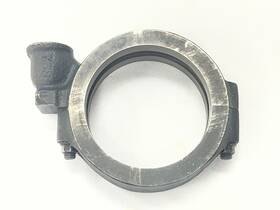
( Brand: Continental ), ( Manufacturer Part Number: 626737 ), ( Part Type: Oil Engine Transfer ), ( Country Of Origin: United States )
Review CONTINENTAL Aircraft Engine Oil Transfer Collar P/n
The **Continental 626737 Aircraft Engine Oil Transfer Collar** is a precision-engineered component designed specifically for use in Continental Motors aircraft engine systems, ensuring seamless fluid transfer between critical oil reservoirs while maintaining optimal performance and reliability. Crafted from high-grade, corrosion-resistant materials, this collar is engineered to withstand the demanding conditions of aviation environments, including extreme temperatures, high vibrations, and exposure to fuel and oil contaminants. Its robust construction features a tight-sealing interface with the engine s oil transfer lines, preventing leaks and ensuring a secure, leak-proof connection that is essential for maintaining engine integrity during flight operations. The collar s design incorporates a smooth, contoured seal that adapts to the mating surfaces of the oil transfer system, reducing wear and tear while minimizing the risk of oil loss a critical factor in maintaining engine lubrication and preventing catastrophic failure. Ideal for applications in piston-engine aircraft such as the Continental IO-360, IO-520, and TSIO series, this part is a vital component for pilots and mechanics who prioritize durability and performance in their aircraft maintenance routines. Whether used during routine servicing or as a replacement for worn or damaged components, the Continental 626737 collar exemplifies the brand s commitment to precision aerospace engineering, delivering a reliable solution for aircraft owners and technicians who demand nothing less than top-tier quality in their aviation equipment.
### **Continental 626737 Aircraft Engine Oil Transfer Collar Pros and Cons**
#### **Pros:**1. **OEM Compatibility** This part is designed as an original equipment manufacturer (OEM) component, meaning it is engineered to meet the exact specifications of Continental aircraft engines. This ensures proper fit, function, and longevity, reducing the risk of leaks, damage, or performance issues.
2. **High-Quality Materials** Continental uses durable materials in its engine components, including corrosion-resistant metals and seals. This collar is likely constructed from materials that withstand high temperatures, pressure, and vibration, which are critical in aircraft engine environments.
3. **Reliability and Safety** Aircraft engines operate under extreme conditions, and using a genuine or high-quality aftermarket part minimizes the risk of catastrophic failure. A properly functioning oil transfer collar ensures smooth lubrication and cooling, which is essential for engine health and safety.
4. **Ease of Installation** As an OEM part, it should fit seamlessly into the engine s existing system with minimal modifications. This reduces installation time and the potential for errors during assembly.
5. **Warranty and Support** Purchasing from Continental or an authorized distributor may come with warranty coverage, technical support, and access to maintenance documentation. This is particularly valuable for operators who prioritize long-term reliability.
6. **Compatibility with Maintenance Procedures** The part aligns with Continental s recommended maintenance practices, ensuring that inspections, replacements, and overhauls follow industry standards.
7. **Reduced Risk of Contamination** A well-sealed oil transfer collar prevents debris, moisture, or foreign particles from entering the oil system, which could lead to engine wear or failure.
---
#### **Cons:**1. **High Cost** OEM parts, especially for aircraft engines, are significantly more expensive than generic or aftermarket alternatives. The price may be prohibitive for smaller operators, repair shops, or those on tight budgets.
2. **Limited Availability** Depending on the region, sourcing this part may require ordering from specialized distributors or directly from Continental. Lead times could be longer than for more common aftermarket parts.
3. **Potential for Overkill** If the engine is older or nearing the end of its service life, investing in a new OEM collar may not be the most cost-effective solution. In such cases, a refurbished or high-quality aftermarket part might suffice.
4. **Complex Replacement Process** Replacing the collar may require specialized tools, training, or disassembly of the engine, which could be time-consuming and labor-intensive. Operators without in-house expertise may need to outsource the work, adding to costs.
5. **Storage and Handling Requirements** Aircraft parts, including oil transfer collars, often require careful storage to prevent damage from moisture, dust, or temperature fluctuations. Improper handling could compromise the part s integrity before installation.
6. **Depreciation** Like all aircraft components, the value of this part depreciates over time. If the engine is not part of a long-term fleet, the upfront cost may not be fully justified.
7. **Alternative Parts May Exist** Some aftermarket manufacturers produce compatible parts that are functionally equivalent but at a lower cost. While these may not carry the same warranty or brand reputation, they could be a viable alternative for operators who prioritize cost savings over brand loyalty.
---
### **Conclusion**
The **Continental 626737 Aircraft Engine Oil Transfer Collar** is a high-quality, reliable, and safe choice for operators who require OEM-level performance and compliance with Continental s engineering standards. Its primary advantages lie in its compatibility, durability, and support from the manufacturer. However, the significant cost, potential availability issues, and the complexity of replacement may make it less ideal for budget-conscious operators or those working on older engines.
For most **new or heavily used aircraft engines**, especially those under warranty or in critical service, the benefits of using an OEM part outweigh the drawbacks. If cost is a major concern, a thorough cost-benefit analysis should be conducted, and alternatives (such as refurbished or high-quality aftermarket parts) should be evaluated. Additionally, consulting with a certified aircraft mechanic or Continental s technical support can provide clarity on whether this specific part is necessary or if a less expensive option would suffice.
### **Recommendation**
- **For new or critical engines, high-reliability operations, or warranty-covered aircraft:** Purchase the **Continental 626737 Oil Transfer Collar** as the OEM part. Ensure it is sourced from an authorized distributor to guarantee authenticity and warranty coverage.
- **For older engines, budget constraints, or non-critical applications:** Explore **refurbished Continental parts** or **high-quality aftermarket alternatives** (e.g., from reputable suppliers like **Aero Parts Warehouse, Aircraft Spruce, or MRO providers**) after verifying compatibility and performance standards. Always consult with a mechanic to confirm that the alternative meets or exceeds the original specifications.
- **For operators with limited in-house expertise:** Consider engaging a **certified aircraft maintenance organization (CAMO)** or **Continental-approved service center** to handle the replacement, ensuring proper installation and compliance with regulations.
Ultimately, the decision should balance **cost, reliability, and operational needs**, with priority given to safety and engine longevity.
Details:
This Oil Transfer Collar is a critical, specialized component used in Continental aircraft engines specifically TSIO-520, TSIO-470, and O-470 series to manage crankshaft oil flow.
part #: 626737 prices
- $39.20-$485.50
specifications engineaviatio:
- brand: Continental
- mpn: 626737
- part type: Oil Engine Transfer
- country of origin: United States
general engineaviatio:
- condition: Used
- Aviation Parts Accessories > Engines > Engine Components
offer engineaviatio:
- options: Ship-to-home
- availability: In Stock
- started: March 11, 2026
- sold: 0
- quantity: 1
- best offers: True
payments engineaviatio:
- other
- wallet: Google-pay
- credit card: Diners-club
seller engineaviatio:
- city: Chesterfield, Missouri
- rating: 98.5%
- # reviews: 2521
shipping engineaviatio:
- transit: 9-15 Days
- cost: $7.31
- service: USPS Ground Advantage
- carrier: USPS
- type: Calculated
- class: Standard
returns engineaviatio:
- time: 30 Days
- policy: Returns Accepted
- paid by: Buyer
Continental 626737 Is Similar To:
- 1058-3 1058-3 Ram Aircraft Continental Engine (34.6% similar) This is a 1 one each used ram high performance camshaft part buyer to determine airworthiness. These are FAA-Pam approved for IO-520 and TSIO-520 per mold type engines...(July 5th, 2017)
- 0-300-a Cessna Continental Aircraft Engine (54% similar) It ran great and I loved the plane but didn't pass last annual due to corrosion. The motor ran great. The price is for firewall forward. Nice Continental motor out of a 1958 Cessna 172. Just to clarify, the corrosion was in wings and tail...(May 3rd, 2017)
- 0300d Continental Aircraft Engine (59.3% similar) 82 smog, no prop strike, spring loaded push rod tube STX, compression readings, 79 80, 72 64 75 used Continental 0300D, removed from Cessna 172 to install new engine being set up for flight training. Engine runs smooth and comes complete with mags, exhaust, carb, starter, alternator baffles ready to...(August 23rd, 2018)
- 0450338-57 Aircraft Continental Engine 0-200a (38.8% similar) Selling for a friend who is cleaning out his hanger. 0-200 LHS muffler appears to be new and unused condition...(October 20th, 2017)
- 0451114-29 Continental O-200-a Tcm Engine (42.4% similar) Guaranteed or your money back. Cleaned to bare metal, inspected for flaws and premiered with rust resistant primer, ready you paint your color. I've been told this is also for seaplane use. Shipping included buy now...(May 12th, 2017)
- 0470-50 Continental Pponk Engine (42.2% similar) Currently installed in a non-airworthy aircraft. Strong engine includes all normal accessories components from pink plus a seaplane heavy duty cradle with new lord mounts, baffling, oversized oil cooler, modified carburetor and prop Governor at this price. A total value of at least new. 3 blade prop...(May 31st, 2018)
- 055581-1 0555581-13 Continental Engine Baffle (42.3% similar) Right and left. Home made baffles...(June 25th, 2018)
- 10-52903 Continental Aircraft Body P-n (52.1% similar) Body Continental P/N new surplus condition list: 190. What you see is exactly are getting...(July 3rd, 2017)
- 10278a 654572 Niagara Continental Aircraft Engine Oil Cooler (61% similar) Buyer to determine airworthiness. This is an overhauled oil cooler part 10278A with a form 8130. This fits many IO-520, TSIO-520, and IO-550 engines, per mold rear alternator type engines...(March 8th, 2018)
- 10281a Niagra Air Parts Oil Cooler Pn Continental Aircraft (34.5% similar) Niagara air parts oil cooler pn 10281A also has Continental part number on unit. Overhauled condition with from pacific oil coolers. Please see pictures for details also, feel free to ask any questions pertaining this item. Oil cooler is still in perfect condition, has been kept box it was shipped. ...(March 29th, 2019)
- 10599a Continental Lycoming Oil Cooler Part Number With Overhauled By Skyline (40% similar) Overhauled by skyline accessories...(May 27th, 2018)
