AVCO LYCOMING 2840-00-022-7501 Turbine Engine Rotor T-53 1-100-490-06C
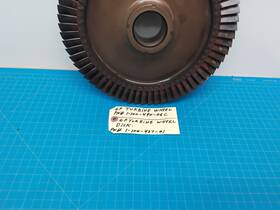
( Brand: Avco Lycoming ), ( Part Type: Rotor Engine ), ( Compatible Make: Bell Helicopter Uh-1 ), ( Compatible Model: Lycoming T-53 Turbine Engine ), ( Country Of Origin: United States ), ( EAN: 2840000227501 )
Review AVCO LYCOMING T-53 Turbine Engine Rotor Assy Pn#
The **Avco Lycoming T53-L-1C (Model 2840-00-002-7501, Part Number 1-100-490-06C) Turbine Engine Rotor** is a critical, high-performance component designed for the iconic T53-L-1C turboshaft engine, a workhorse in aviation and power generation applications. This meticulously engineered rotor assembly represents the heart of the engine, where precision and durability are paramount. Crafted from high-strength, heat-resistant materials, the rotor is built to withstand the extreme centrifugal forces and thermal cycling inherent in turbine operations, ensuring reliable performance across a wide range of operational conditions. The rotor comprises a series of precisely machined, aerodynamically optimized compressor and turbine blades, each designed to maximize airflow efficiency while maintaining structural integrity under sustained high-speed rotation. The assembly incorporates advanced balancing techniques to minimize vibration, extending component life and reducing maintenance demands. Whether integrated into a military helicopter like the Bell UH-1 Iroquois or a utility aircraft, this rotor delivers consistent power output while adhering to stringent aerospace standards. Its robust construction and compatibility with the T53 s proven design make it an indispensable part of systems requiring dependable, high-torque power generation. For operators and technicians, this rotor exemplifies the marriage of engineering excellence and operational reliability, ensuring seamless performance in both civilian and defense applications.
### **Pros and Cons of buying a Avco Lycoming T53-L-11 Turbine Engine Rotor (Part Number: 2840-00-002-7501, T-53, 1-100-490-06C)**
#### **Pros:**1. **Proven Reliability** The T53 engine is a well-established design with decades of operational history in military and civilian applications (e.g., UH-1 Huey helicopters). Its robust construction and extensive use mean that many components, including rotors, are well-documented and supported by aftermarket parts.
2. **Widespread Availability of Parts** Due to its widespread use, finding replacement parts, service manuals, and technical support is relatively straightforward. This reduces downtime and maintenance costs compared to less common engines.
3. **Modular Design** The T53 s modular components (e.g., rotor assemblies, compressor sections) allow for easier repairs and upgrades. Replacing a rotor assembly rather than overhauling the entire engine can be cost-effective.
4. **Aftermarket Support** Many aviation mechanics and repair shops specialize in T53 engines, offering expertise in rotor assembly inspection, balancing, and refurbishment. This expertise can be invaluable for maintaining performance and longevity.
5. **Potential for Refurbishment** If the rotor is in good condition but shows signs of wear, it may be cost-effective to refurbish rather than replace. Many aviation overhaul facilities can restore rotors to like-new condition, extending their service life.
6. **Lower Cost Compared to New** Purchasing a used rotor (especially from a reputable source) is significantly cheaper than buying a new one from the manufacturer. This makes it a practical option for operators on a budget.
7. **Compatibility with Existing Systems** The T53 is a legacy engine, meaning it fits seamlessly into older helicopter models (e.g., Bell 205, UH-1, CH-47 variants). This avoids integration challenges that might arise with newer engine types.
---
#### **Cons:**1. **Age and Wear** The T53 was first introduced in the 1950s, and many rotors in circulation are decades old. This means they may have accumulated significant wear, fatigue, or corrosion, which could lead to unexpected failures if not properly inspected.
2. **Limited Modern Support** While parts are available, some aftermarket suppliers may no longer prioritize T53 components due to declining demand. This could result in longer lead times for critical replacements.
3. **Maintenance Complexity** Rotor assemblies require precise balancing, alignment, and inspection to prevent vibrations or failure. Improper handling or lack of expertise during maintenance can lead to catastrophic engine damage.
4. **Potential for Counterfeit or Poor-Quality Parts** The used aviation parts market has risks of counterfeit or improperly refurbished components. Buyers must verify the rotor s history, overhaul records, and source credibility to avoid costly mistakes.
5. **Environmental and Safety Regulations** Older engines may not meet current emissions or noise standards in some jurisdictions, requiring additional modifications or compliance work.
6. **Depreciation and Obsolescence** As newer turbine engines (e.g., T700, T800) become more common, the long-term viability of T53 components may decline. Future parts shortages or higher costs could impact operations.
7. **Training and Expertise Gaps** Fewer mechanics today specialize in T53 engines compared to past decades. This could make troubleshooting or repairs more challenging unless the operator has in-house expertise.
---
### **Conclusion:**Buying a used Avco Lycoming T53 rotor (1-100-490-06C) can be a cost-effective solution for operators maintaining older helicopter models, provided the rotor is thoroughly inspected, refurbished by a reputable facility, and supported by proper maintenance records. The engine s reliability and part availability make it a practical choice for short- to medium-term use, but buyers must weigh the risks of age-related wear, limited modern support, and potential future obsolescence.
### **Recommendation:**1. **Verify the Rotor s History** Obtain full service records, including overhaul dates, balancing logs, and any known issues. Request documentation from the seller proving the rotor has been properly inspected and refurbished.
2. **Inspect or Third-Party Test** If possible, have a qualified aviation mechanic or overhaul facility perform a pre-purchase inspection to assess the rotor s condition, including for cracks, imbalance, or corrosion.
3. **Purchase from a Trusted Source** Buy from a reputable aviation parts dealer, auction house (e.g., eBay Motors with verified sellers), or directly from a known helicopter operator with a track record of honesty.
4. **Budget for Additional Maintenance** Account for potential refurbishment costs, balancing, and future inspections. Consider setting aside funds for unexpected repairs.
5. **Evaluate Long-Term Viability** If the rotor is part of an older helicopter, assess whether upgrading to a newer engine (e.g., T700) might be more cost-effective in the long run, especially if the aircraft will remain in service for many years.
6. **Store Properly** If not immediately installed, store the rotor in a clean, dry environment to prevent corrosion or damage.
**Final Verdict:** For operators with a well-maintained T53 helicopter and access to skilled mechanics, a used rotor can be a sound purchase. However, buyers should proceed with caution, prioritize transparency in sourcing, and ensure the rotor meets safety standards before installation. For critical applications, prioritize new or thoroughly refurbished components to mitigate risk.
Details:
Lycoming Turbine Engine Rotor Assay, PN# 1-100-490-06C, Federal Stock # 2840-00-022-7501 Removed in used condition. Visual Inspection found no mechanical damage Selling In AS-IS Condition.
specifications engineaviatio:
- brand: Avco Lycoming
- part type: Rotor Engine
- compatible make: Bell Helicopter Uh-1
- compatible model: Lycoming T-53 Turbine Engine
- country of origin: United States
- ean: 2840000227501
payments engineaviatio:
- other
- wallet: Google-pay
- credit card: Mastercard
returns engineaviatio:
- policy: No Returns
offer engineaviatio:
- availability: In Stock
- quantity: 1
- started: February 26, 2026
- options: Ship-to-home
- best offers: True
- sold: 0
seller engineaviatio:
- city: Cleburne, Texas
- rating: 100.0%
- # reviews: 1136
shipping engineaviatio:
- cost: $23.24
- carrier: USPS
- class: Standard
- service: USPS Ground Advantage
- transit: 5-11 Days
- type: Calculated
general engineaviatio:
- Aviation Parts Accessories > Engines > Engine Components
- condition: Used
Avco Lycoming 1-100-490-06C Is Similar To:
- 0-320-a2b Lycoming Avco Airplane Engine (35.6% similar) 1 original hours, w log book. On compression engine removed from PA18 has not been run since. Selling this for a friend...(February 15th, 2018)
- 61877 Dc-62417 Avco Lycoming 4 (27.5% similar) Avco LYCOMING4 rubber mounts pressed into casting and dc stamped any information as to what this part is for would be appreciated pictures are of the actual item up offer a made by Lycoming there 4 it stamped on it 2 numbers...(August 28th, 2017)
- 62244 Lycoming Avco Control Assembly Choke Nos (32% similar) ...(January 31st, 2019)
- 66531 Lycoming Avco Aircraft Intake (24.6% similar) Lycoming Avco aircraft intake valve new old stock...(August 5th, 2017)
- 1-100-440-07 Avco Lycoming T53-l11 Gas Turbine Impeller Part New Unused (41.3% similar) Oem part free shipping within the us continental 48 states...(January 3rd, 2016)
- L-10692-15 Avco Lycoming Aircraft Engine (37% similar) This engine was purchased new by an air force lieutenant colonel who built a plane in his garage but never installed...(October 28th, 2017)
- Lw14445-2 L Avco Lycoming Absolute (28.3% similar) List price for these units go over 4000. No paperwork, so here you go bargain hunters. Valve is in excellent shape. Appears to be never used. Actuates smoothly, not frozen. No external damage...(June 3rd, 2017)
- 69330 Lycoming Avco Piston Ring Set Of 6 Each P N Nos Package (24.3% similar) Brand new set of Avco Lycoming new old stock in factory sealed package...(May 3rd, 2016)
- 13s19647 Lycoming Textron Avco Crank Gear Used P N Crankshaft (28.6% similar) Up for sale today I have a used Lycoming crank gear believe the P/N is 13S19647 see photos, selling as removed used core condition...(August 31st, 2016)
- Std3012b9n Avco Lycoming Stepped Engine Studs (40.3% similar) 820 Avco Lycoming 5/7 1 surplus stock. Avco Lycoming STD3012B9N stepped engine studs inch stud thread, and length between inch nut thread...(March 7th, 2017)
- Tvo-435-g1a Lycoming Avco Engine Motor Fuel (41% similar) Va used to list it as VO-435-A1F or IVO-435-A1F while plate shows TVO-435-G1A. Asking 35K or make best offer. It is brand new and has hours total time. It includes the following as shown in photos: 4130 chrome-molly engine baffle soil cooler oil TANK2X exhaust MANIFOLDS2X silencers flywheel Fannie ...(February 18th, 2017)
